Taipei 臺北 itinerary for 3 days: a clear plan
Plan 3 days in Taipei with a sensible route: the historic west side, Taipei 101 and Maokong Gondola, and the National Palace Museum or Beitou.
A three-day trip to Taipei (臺北) works best when you group each day by neighborhood rather than crossing the city back and forth. Spend day one exploring the historic west side, day two around Xinyi and the southern hills, and day three choosing between the National Palace Museum or a half day out of town. This structure keeps travel logical so you spend your hours sightseeing rather than sitting on trains.
Passes and fares for three days
Getting around on the rapid transit system is straightforward. Taipei Metro single-journey tickets cost between NT$20 and NT$65, are valid on the day of issue only, and are sold from ticketing machines and station information counters. For many visitors, single fares or a stored-value card are enough, especially since adult IC card holders (including co-branded credit and debit cards) get an NT$8 discount when transferring between the Metro and a bus within one hour.
If you prefer unlimited rides, the Taipei Metro One-Day Pass costs NT$150 and, once activated at the gates, gives unlimited travel until the end of service that day on the Taipei Metro and the New Taipei Metro Circular Line. Timed passes cost NT$180 for 24 hours, NT$280 for 48 hours, and NT$380 for 72 hours, counted from first use. If your itinerary includes frequent city bus trips, the Taipei Fun Pass Transportation Pass costs NT$210 for 1 day and NT$340 for 2 days, covering the Taipei Metro, the New Taipei Metro Circular Line, and buses. You can check our guide on getting around Taiwan to see how public transit works across the island.
Day one, temples and old streets
Start your morning on the west side at Longshan Temple. Dedicated to Guanyin and other divine spirits, it was built in 1740 during the Qing dynasty according to the Tourism Administration. The temple is recognized as a national heritage site surrounded by traditional streets, antique shops, Buddhist article shops, and Chinese medicine shops, with regular worshippers visiting on the 1st and 15th day of each lunar month.
Next, walk over to the Bopiliao Historic District, located 254 meters from Metro Longshan Temple Station. At Bopiliao, visitors can see well-preserved streets and traditional shop houses from the Qing period, as well as buildings from the Japanese period and the early post-war years. If you return to this neighborhood in the evening, Bangka Night Market sits right next to Longshan Temple, reached from MRT Longshan Temple Station Exit 1 on foot in about 5 minutes according to the Taipei City Market Administration Office. You can see how it compares with other evening locations in our guide to Taipei night markets.
Day one, afternoon, Ximending to Dihua Street
In the afternoon, travel slightly north into Ximending. Formally named Ximen in 1922, the district is at the center of younger-generation trends in fashion and culture according to the Tourism Administration. Near the center, take time at Liberty Square to view the Chiang Kai-shek Memorial Hall, where the Chinese garden around the building and the vast plaza are worth visiting.
Continue toward Dadaocheng and Dihua Street in the late afternoon. Dihua Street, the heart of Dadaocheng, is a popular shopping area for dried goods and herbal medicines. Every year, the Chinese New Year Street Bazaar takes place along Dihua Street, when the street is always crowded with people preparing for the New Year.
Day two, Elephant Mountain and Taipei 101
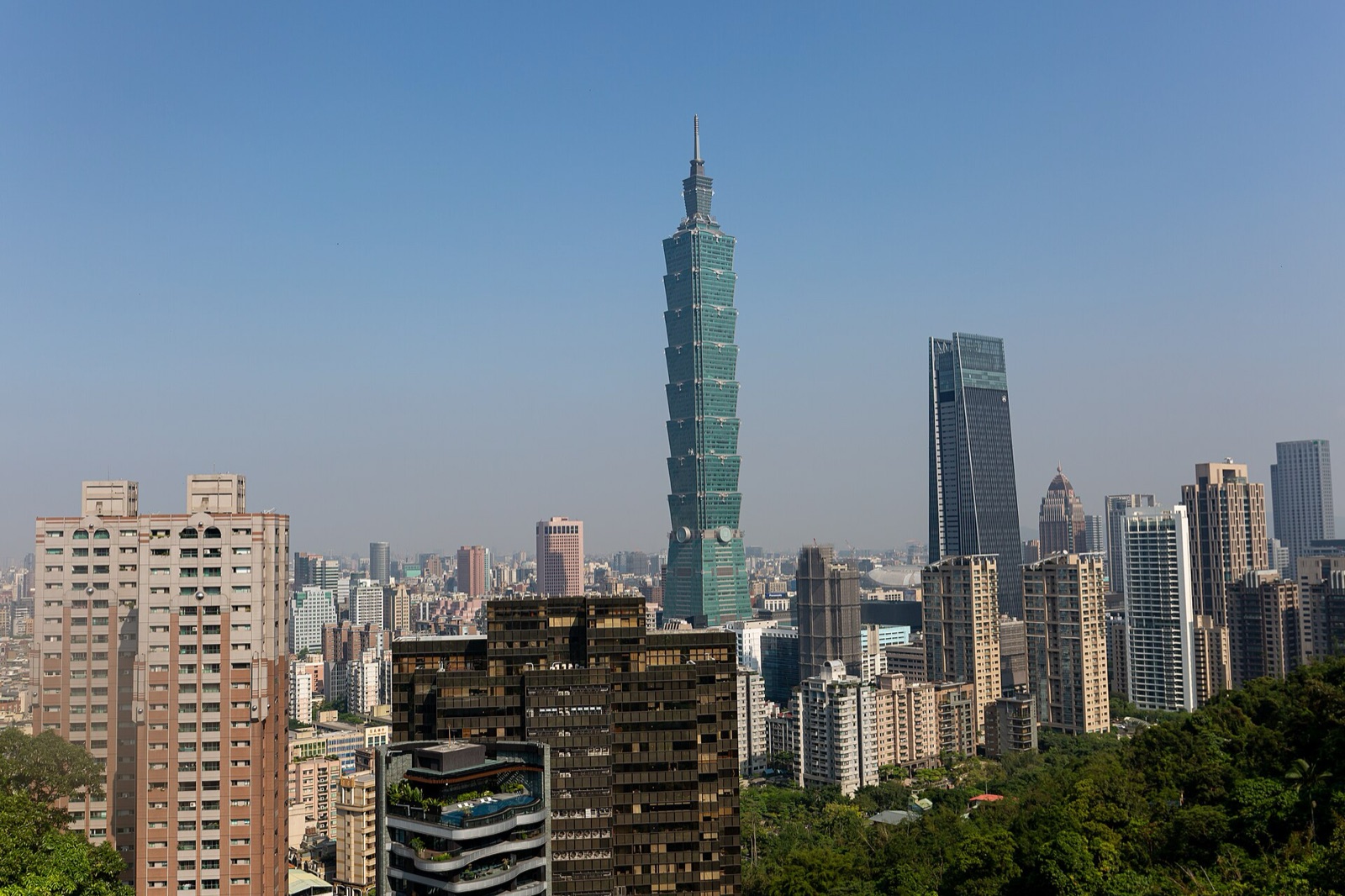
Head east in the morning to climb Elephant Mountain (Xiangshan) for the view. Take the Tamsui-Xinyi Line to MRT Xiangshan Station; the trailhead is a short walk from Exit 2 following the signs. YouBikes are available for hire right outside Exit 3 of Xiangshan Station. According to Taipei's Geotechnical Engineering Office, Elephant Mountain has become the top choice for foreign visitors wanting a vantage point for Taipei 101 and the Taipei Basin, with viewpoints located at the Shooter's Platform, Six Boulders, and the Photography Platform.
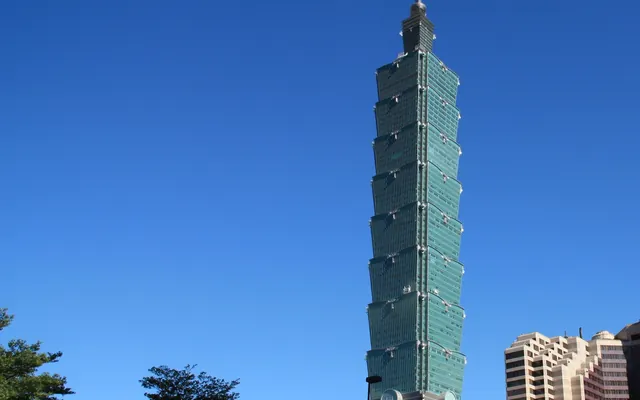
Walk back toward the base of Taipei 101 once the tower opens. The observatory page lists visiting hours as 10:00 to 21:00 on weekdays, weekends, and national holidays. Standard tickets for floors 89 and 88 cost NT$600 for adults and NT$540 for concessions, and children under 115 cm enter free with a parent. Access to the 101st floor costs an additional NT$380 per person. Skyline460, an outdoor guided experience on the 101st floor, costs NT$3,000 per person, requires reservations, is limited to participants over 145 cm tall, and may be canceled if the weather is not favorable.
Day two, afternoon, the Maokong Gondola
From Taipei 101, travel south on the metro network toward the southern hills. Taipei Zoo Station, the gondola's lower terminal, is about 350 meters from MRT Taipei Zoo Station on the Wenshan-Neihu Line. Maokong Gondola operating hours are 9:00 to 21:00 on weekdays and 9:00 to 22:00 on holidays. The gondola is closed on Mondays for general maintenance, except on national holidays and the first and third Mondays from October to March. The gondola is closed on Lunar New Year's Eve, and opening hours may change for festivals, special events, and weather.
A single-journey ticket in a regular cabin costs NT$180. Upgrading to a crystal cabin with a glass floor adds NT$50 per person per trip.
Day three, the National Palace Museum
For your third day, one option is heading north to the National Palace Museum. The museum is open Tuesday to Sunday between 09:00 and 17:00 and closed on Mondays. The museum's regular ticket for Exhibition Hall I is NT$350. Visitors of all nationalities can enter the museum free on New Year's Day (Jan. 1), the Lantern Festival, International Museum Day (May 18), and World Tourism Day (Sept. 27).
Day three, or a half-day out of town
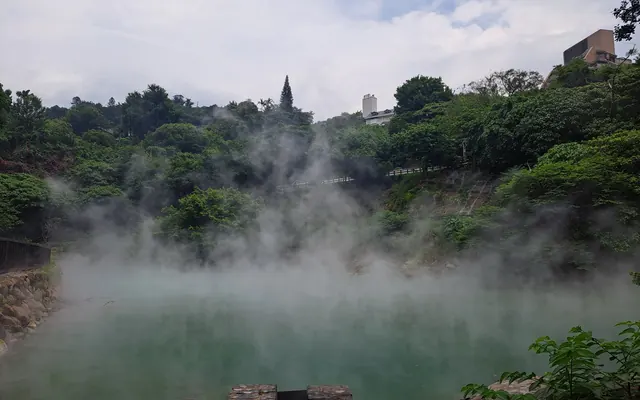
Instead of museum galleries, you can spend the half day outside the urban center. According to the Taipei Hot Springs Association, Beitou has been famous as a hot spring destination since the Japanese colonial era. The Beitou Public Bathhouse, now the Beitou Hot Spring Museum, was built on the Taipei Prefectural Government's investment in 1913, and visitors must remove their shoes and change into indoor slippers at the entrance. See our dedicated guide to Beitou hot springs for more details on planning your time there.
Other nearby options include the volcanic scenery of Yangmingshan or a trip along the historic railway stops detailed in our Jiufen, Shifen, and Pingxi day trip guide.
Facts on this page were checked against official sources on . Hours, fares and trail status change: confirm on the day.