What it is and its story
Dihua Street Section 1 sits south of Taipei Bridge in the Dadaocheng area of Datong District. Dadaocheng developed into a commercial and trading centre starting in the late Qing period. The very first shops appeared along Dihua Street in 1851.
During the Japanese era, commerce centred largely on dried goods and tea. Rice, fabric, and traditional Chinese medicine merchants soon followed. Today, the lane remains the most complete historic street left in Taipei and serves as the city's largest wholesale and retail market for dried goods, Chinese herbal medicine, and cloth.
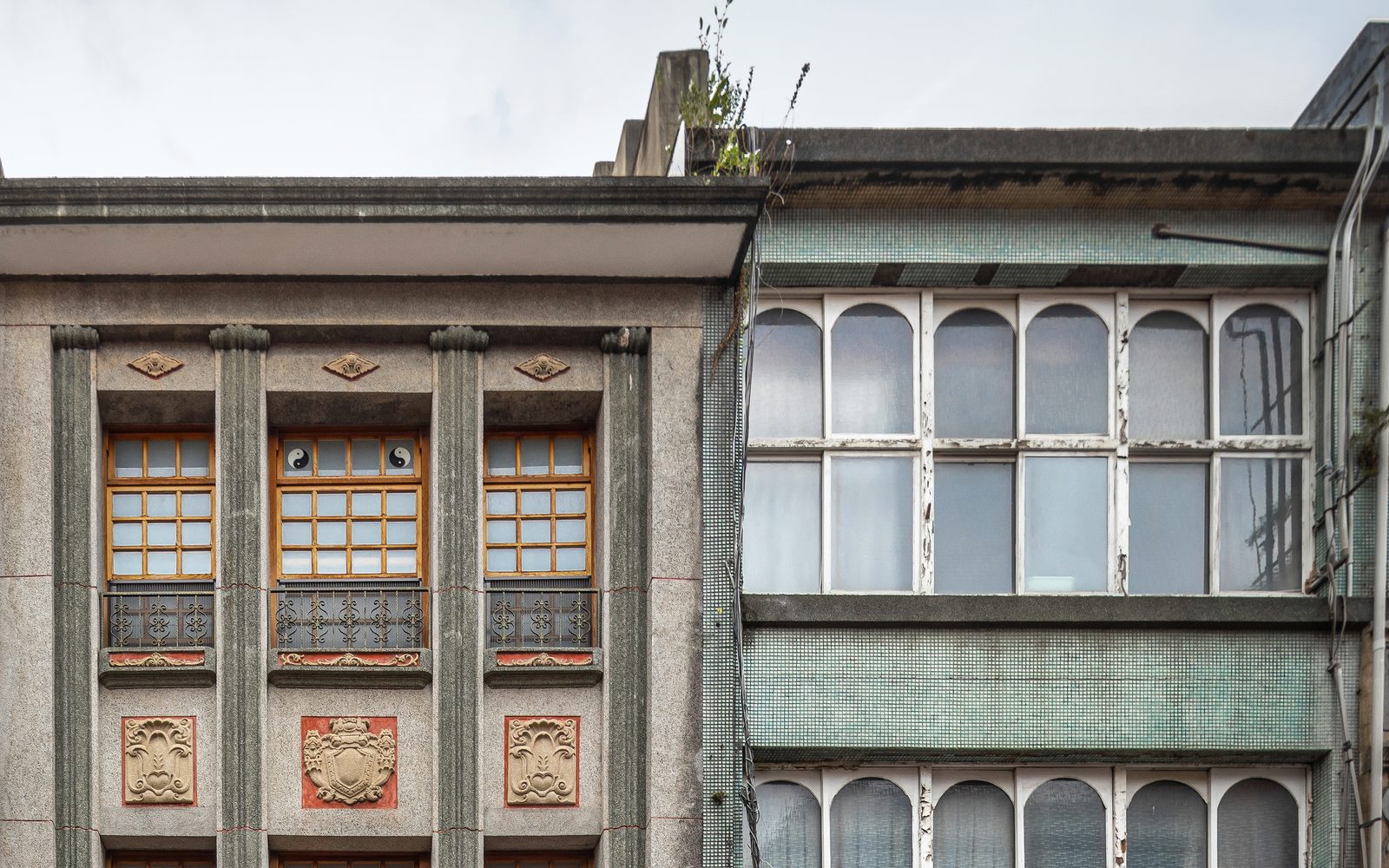
The architecture along the lane reflects its trading past. Many of the shopfronts preserve Baroque-style decorations dating from the Taisho era. Builders constructed long, narrow shophouses featuring slim street frontages and deep interiors, designed to function as active retail storefronts in front and private residences behind.
What to see
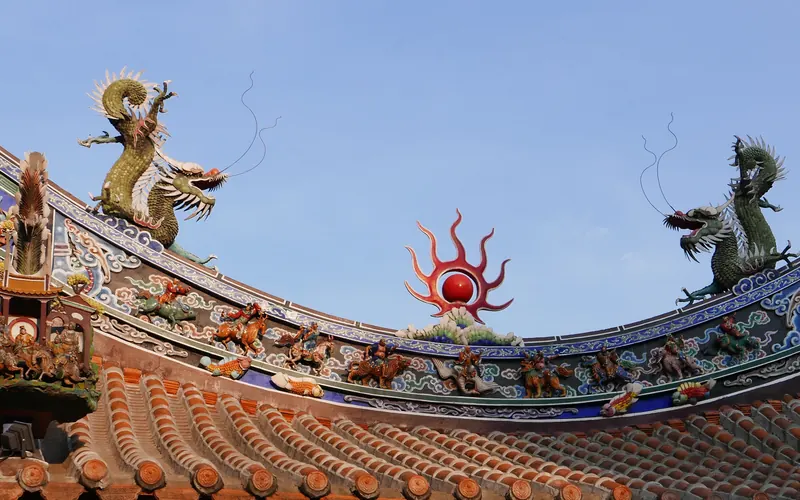
Walking down the avenue reveals active wholesale merchants selling specialty foodstuffs alongside historic local institutions. One major landmark is Taipei Xia-Hai City God Temple. This temple stands along Dihua Street and holds approximately 200 statues of deities, which include the Matchmaker (Yue Lao).
Further along stands Yongle Fabric Market, a destination filled with stalls selling all varieties of cloth. The building also serves cultural purposes beyond textiles. On the eighth and ninth floors of the market building, Dadaocheng Theater stages traditional drama performances and hosts puppetry exhibitions.
The surrounding area transforms dramatically in the run-up to the holidays. In the days leading up to Lunar New Year's Eve, the street fills with crowds buying festive treats and supplies. Since 2008, this seasonal holiday shopping market has also expanded outward into the surrounding neighborhood streets.
Getting there and timing
Dihua Street is open continuously, accessible 24 hours a day throughout the entire week. Reaching the street is straightforward on the Taipei metro network. Take the Zhonghe-Xinlu Line (orange line) to Daqiaotou station, head out of Exit 1, and make a 3-minute walk from Exit 1 of Daqiaotou station to arrive at the street.
While the historic structures and shops can be viewed throughout the year, travel recommendations suggest visiting during January and February. These months coincide with the lively Lunar New Year shopping street, when vendors offer holiday goods and the avenue fills with seasonal shoppers.
Quick answers
How do you get to Dihua Street by metro?
Take the Zhonghe-Xinlu Line to Daqiaotou station. From there, take Exit 1 and walk for 3 minutes to reach Dihua Street.
What are the opening hours of Dihua Street?
The street itself is open 24 hours a day, Monday through Sunday.
What is Dihua Street famous for selling?
It is Taipei's largest wholesale and retail market for dried goods, Chinese herbal medicine, and cloth.
What can you see at Yongle Fabric Market?
The market sells all kinds of cloth, while Dadaocheng Theater on the eighth and ninth floors presents traditional drama and puppetry exhibitions.
Hours, entry and the metro exit were checked on with Taipei Travel - Dihua Street (Lunar New Year Shopping Area), Tourism Administration - 迪化街-年貨大街 (Chinese) and Taipei City Government - Taking a Stroll Around Dihua Street. Hours change for holidays and festivals: confirm on the day.