Wulai 烏來: bus 849, the trolley, waterfall and hot springs
Plan a day trip to Wulai south of Taipei. Take bus 849 from MRT Xindian, walk the old street, ride the log trolley, and see Wulai Waterfall.
Wulai (烏來) is an Atayal mountain town south of Taipei whose name means hot spring water, known for its old street, mountain waterfall, and historic forest rail cart. To get there, ride the MRT to Xindian Station and transfer directly to Hsintien Bus 849 to the Wulai terminus. The town makes a straightforward day trip from the city for hot spring baths, local food, and walks along the river valley.
Getting to Wulai by MRT and bus 849
Directions from the Wulai Atayal Museum instruct travelers to take the MRT Xindian Line to its terminus at Xindian Station, then board Hsintien Bus 849 to the Wulai terminus. This transfer is convenient when planning your route through getting around Taiwan.
According to the Taipei e-bus information page, Bus 849 runs between Wulai and Taipei, departing every 15 to 20 minutes on weekdays and at weekends. The bus stops right outside MRT Xindian Station on Beixin Road.
Bus 849 uses a three-section fare structure, meaning the final fare depends on how far you travel along the route.
Wulai Old Street and the Atayal Museum
In the Atayal language, wulai means hot spring water, and the thermal springs remain an important part of Atayal daily life. The Atayal are the main local people of Wulai. Along Wulai Old Street, most shops offer food with an indigenous flavor, including grilled wild boar, eggs boiled in the natural hot spring water, and seasoned rice cooked inside fresh bamboo tubes.
Wulai Old Street runs for about 300 meters, featuring local specialties such as millet wine, soft millet mochi, and wild boar sausages, with several hot spring inns situated nearby. Fitting Wulai into a wider regional visit is simple when planning a three-day Taipei itinerary.
The Wulai Atayal Museum stands at No. 12 Wulai Street, about a 5-minute walk from the Wulai bus terminus along the old street. General admission details include:
- Entry: Free
- Monday to Friday: 09:30 to 17:00
- Weekends: 09:30 to 18:00
- Closures: The first Monday of every month, Lunar New Year's Eve, and the first day of the Lunar New Year
The Wulai trolley
Originally built to carry timber out of the surrounding mountains, the Wulai trolley was converted to transport passengers in 1963. Today, it operates as the only log-cart railway still running in Taiwan. The line is managed by the Hsinchu Branch of the Forestry and Nature Conservation Agency through its local Wulai work station, taking passengers from Wulai station up to Waterfall station.
Wulai station is located about a 15-minute walk from Wulai Old Street, reached by crossing Lansheng Bridge over the river.
The trolley does not operate on a fixed timetable; instead, carts depart as passengers arrive throughout the day. Operating hours are 09:00 to 18:00 during July and August, and 09:00 to 17:00 through the rest of the year. The system closes for routine track maintenance on the first Tuesday of each month, or the following day if that Tuesday happens to be a national holiday. For 2026, the operator lists December 1 as the next scheduled maintenance stop day.
Tickets are sold for one-way travel:
| Ticket Type | Fare | Requirements |
|---|---|---|
| Standard | NT$50 | Passengers aged 13 or over and under 65 |
| Concession | NT$30 | Children aged 7 or over and under 13; seniors aged 65 and over with ID |
| Free | Free | Children under 7 with a paying adult (up to two per adult); disability card holders with one companion |
A dedicated wheelchair carriage accommodating one wheelchair and one companion runs from the Waterfall station end of the line. Passengers needing this service must call the Waterfall ticket office in advance.
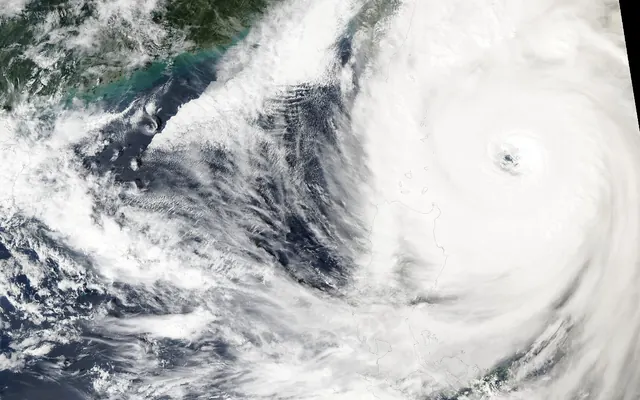
Typhoon Soudelor severely damaged the rail line in 2015, forcing operations to stop entirely. Following two years of repair work, the trolley returned to regular service in 2017.
Wulai Waterfall and the cable car
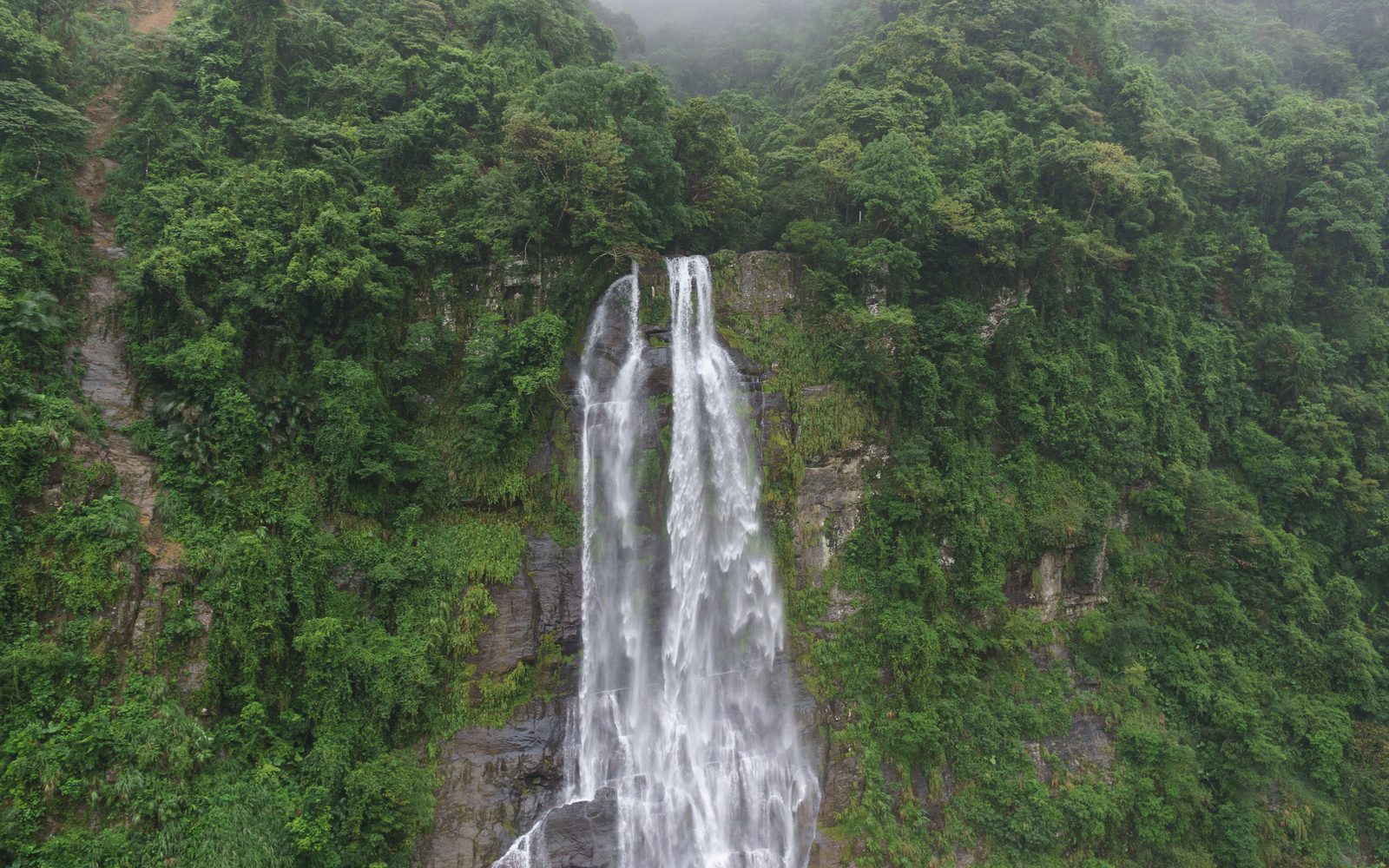
Wulai Waterfall drops about 80 meters and measures about 10 meters wide. After periods of heavy rain, the flow splits into two distinct parallel streams. The viewing platform located right beside the trolley's Waterfall station provides the best vantage point. According to the New Taipei City tourism site, Wulai Waterfall features the biggest vertical drop of any waterfall in northern Taiwan. Viewing the falls from the public platforms is completely free.
The historic Wulai cable car, operated by the private Yun Hsien Resort, provides the only access route into the resort grounds above the waterfall crest. It opened in August 1967 as Taiwan's first passenger sightseeing aerial tramway.
Yun Hsien Resort operates the cable car from 09:00 to 17:00 on weekdays, 09:00 to 17:30 on holidays, and daily until 17:30 throughout July and August. A full admission ticket for adults aged 19 and over costs NT$250 from Monday to Friday and NT$300 on weekends and national holidays. This admission ticket includes the return cable car ride, but does not cover individual amusement rides inside the resort grounds.
Hot springs in Wulai
The waters of Wulai are clear, odorless sodium bicarbonate springs, known locally as a beauty spa. Hot spring hostels and hotels clustered along Wulai Street, Hot Spring Street, and Huanshan Road welcome day visitors and overnight guests in all seasons. Operating hours and access rules vary by individual establishment. For travelers interested in other thermal areas across the northern region, the historic public baths at Beitou hot springs offer an urban alternative on the MRT system.
Outdoor bathing along the riverbank itself is strictly restricted. Under a New Taipei City notice issued on June 15, 2021, the hot spring outcrops along the Nanshi River both above and below Lansheng Bridge—and the surrounding riverbanks—are closed to the public without prior permission. The measure was enacted to safeguard water quality and protect visitor safety. Anyone entering these restricted bank zones without authorization is fined under tourism law. The notice exempts non-commercial traditional activities conducted by indigenous people under the Indigenous Peoples Basic Law.
Lansheng Bridge, completed in 2019, connects Wulai Old Street directly with Hot Spring Street. On Friday, Saturday, and Sunday evenings, the bridge hosts an architectural light show running on the half hour from 18:30 to 20:30.
Typhoons and closures
Mountain terrain makes transport and outdoor sights vulnerable to severe weather. In October 2026, the Forestry and Nature Conservation Agency preemptively halted the Wulai trolley starting October 23 and shut down nearby forest recreation areas due to an approaching typhoon. Understanding what closes during a typhoon helps keep travel plans safe across Taiwan's mountain districts.
The Wulai Atayal Museum closes whenever local authorities suspend work and school for natural disasters, along with other emergency dates announced by the city. Outdoor hiking can remain affected long after storms pass; New Taipei's list of closed trails notes that the Hapen trail in Wulai is fully closed following extensive landslides caused by two typhoons. Yun Hsien Resort also announces modified operating hours or site closures whenever severe weather or unexpected events require it. Always verify transit status and local weather reports before traveling up the valley.
Facts on this page were checked against official sources on . Hours, fares and trail status change: confirm on the day.