Best time to visit Taiwan, month by month
Plan your trip using Central Weather Administration normals, seasonal rain patterns, cherry blossom periods, and 2027 holiday travel windows.
Taroko trail reopenings, typhoon warnings, and checked Taiwan updates go straight to Taiwan Explorer on Telegram (@taiwanexplorerclub), at most two posts a day.
There is no single best month to visit Taiwan. Your ideal timing depends on where you go and what you want to see, because winter rainfall contrasts sharply between the north and south, spring brings plum rain, and summer enters the tropical cyclone season. For many travelers, late autumn and early spring offer balanced temperatures, while February attracts visitors for blooms and festivals.
The short answer by season
The Tourism Administration puts the annual average temperature at about 22°C, with the lowest temperatures on the lowlands generally between 12°C and 17°C. Outside a few mountain areas, there is no snow in winter.
According to the Tourism Administration, Taiwan's weather fluctuates in spring and winter, while summer and autumn are relatively stable. The agency notes a rainy season from March to May, when drizzle sometimes falls and an umbrella is advised, and notes that typhoons sometimes approach or hit during June to August.
Temperatures in Taipei, Kaohsiung and Hualien
Temperatures vary by region and season. The Central Weather Administration (CWA) 1991–2020 normals provide monthly mean temperatures across three key weather stations:
| Month | Taipei | Kaohsiung | Hualien |
|---|---|---|---|
| January | 16.4 °C | 19.7 °C | 18.3 °C |
| March | 18.8 °C | 23.0 °C | 20.3 °C |
| May | 25.6 °C | 27.8 °C | 25.3 °C |
| July | 29.9 °C | 29.4 °C | 28.7 °C |
| October | 24.6 °C | 26.9 °C | 24.9 °C |
| December | 18.2 °C | 21.2 °C | 19.7 °C |
| Annual Mean | 23.3 °C | 25.4 °C | 23.7 °C |
Rainfall, north against south
Precipitation differs significantly between northern and southern Taiwan, especially in winter. According to the CWA 1991–2020 normals:
- Taipei averages 90.5 mm of rain in January, rising to 345.0 mm in June, 337.8 mm in August, and 315.2 mm in September. It tapers to 83.2 mm in November, reaching 2329.5 mm over the full year.
- Kaohsiung shows a dry winter pattern, averaging 19.1 mm of rain in January and 17.7 mm in February. Precipitation peaks in summer with 416.2 mm in June, 377.2 mm in July, and 512.4 mm in August, totaling 1968.2 mm across the year.
- Hualien averages 57.6 mm in January, while its wettest period occurs in early autumn, with 329.9 mm in September and 350.6 mm in October. It records 2034.5 mm over the year.
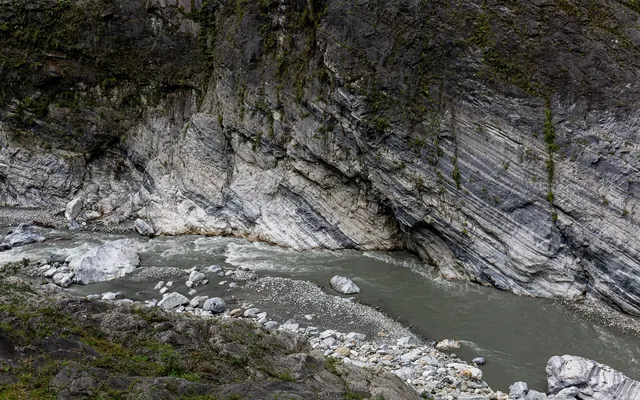
Travelers heading toward the east coast can check whether Taroko Gorge is open before planning their route around wet weather.
Plum rain and early summer
Late spring transitions into the Meiyu, or plum-rain, period. While the Tourism Administration describes a rainy season from March to May with occasional drizzle, the CWA notes that plum rain concentrates heavily in May and June.
A single year can diverge from thirty-year climate normals. For instance, the CWA reported that the 2026 Meiyu season was wetter than normal, with rainfall concentrated mainly in June; the Taipei Weather Station recorded its wettest June since observations began in 1897, even though May rainfall was below normal. The CWA warns of high temperatures and afternoon thunderstorms in early summer.
Typhoon season and the northeast monsoon
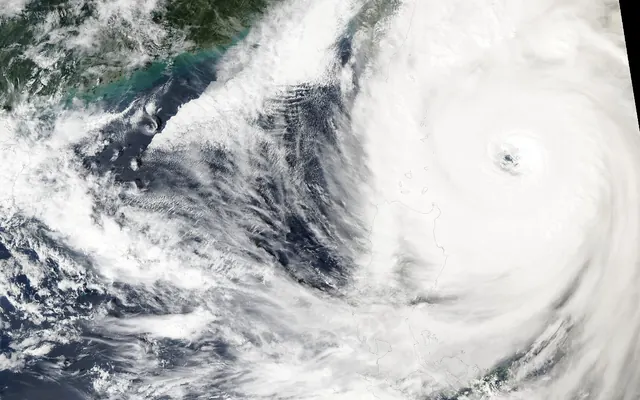
Summer and early autumn bring tropical storms to the region. In its June 2026 outlook, the CWA expected 3 to 5 typhoons to approach or affect Taiwan in the second half of 2026, falling within the normal range. In that same period, eight typhoons had formed in the northwestern Pacific from January to June, compared to a climatological average of 4.3.
In an August 2026 release, the CWA noted that September and October are typically active months for tropical cyclones in the Northwest Pacific. During this window, typhoons interacting with the northeast monsoon may bring heavy rainfall. The CWA also noted that southern and central Taiwan gradually enter the dry season in the months after summer. You can read about typhoon season preparations or consult live weather updates during your stay.
Cherry blossoms and spring flowers
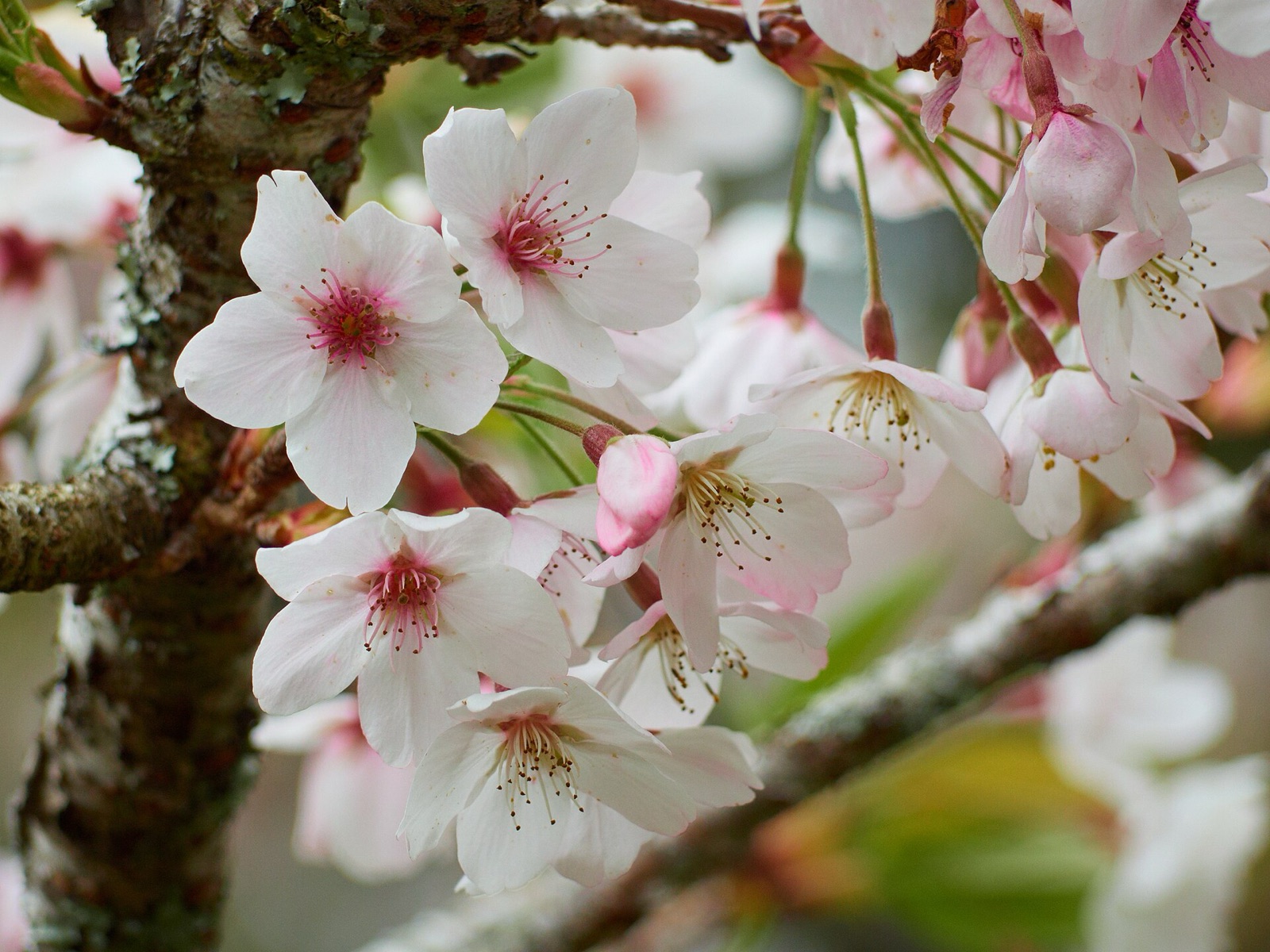
Blossom viewings draw visitors to mountain areas in early spring. The Alishan National Scenic Area says the sakura season at the Alishan National Forest Recreation Area lasts from January to March. The recreation area features a large number of Yoshino cherry trees, followed by Formosan cherry trees, as well as about 1000 double-blossom weeping cherry trees. Fireflies are most active from April to June in the greater Alishan area, though they can be seen all year round. Travelers heading up can plan transport around the Alishan Forest Railway.
At Wuling Farm in Taichung's Heping District, authorities manage blossom traffic with designated rules. For the 2026 cherry blossom season, the Highway Bureau announced traffic controls on access roads from February 1 to March 1, capping visitors at 6,000 per day. Sales of bus tickets began on January 7, 2026, as people planned trips for the Lunar New Year holiday.
Lunar New Year, Lantern Festival and busy weekends
Major public holidays shift public transit demand and opening schedules. Taiwan's 2027 government calendar gives a seven-day Lunar New Year break from February 4 to February 10, 2027. The first and second days of the lunar year fall on Saturday, February 6 and Sunday, February 7, with make-up days on Tuesday, February 9 and Wednesday, February 10. You will want to review tips on getting around Taiwan well ahead of these dates.
Certain attractions adjust hours during this festive period. For example, the Maokong Gondola in Taipei is closed on Lunar New Year's Eve. Other cultural venues offer open access: visitors of all nationalities can enter Taipei's National Palace Museum free on New Year's Day (January 1) and on the Lantern Festival. You can also experience festivities like the Pingxi Lantern Festival during this period.
The 2027 government calendar lists additional long weekends:
- February 27 to March 1
- April 3 to April 6
- October 9 to October 11
Autumn and winter
The Tourism Administration says autumn, from September to November, is cool and comfortable. Winters are relatively warm and short, lasting from December to February. This period provides an opportunity to see colored maples, and cold spells are popular with hot-spring bathers.
Facts on this page were checked against official sources on . Hours, fares and trail status change: confirm on the day.